Day 1: AP Physics C

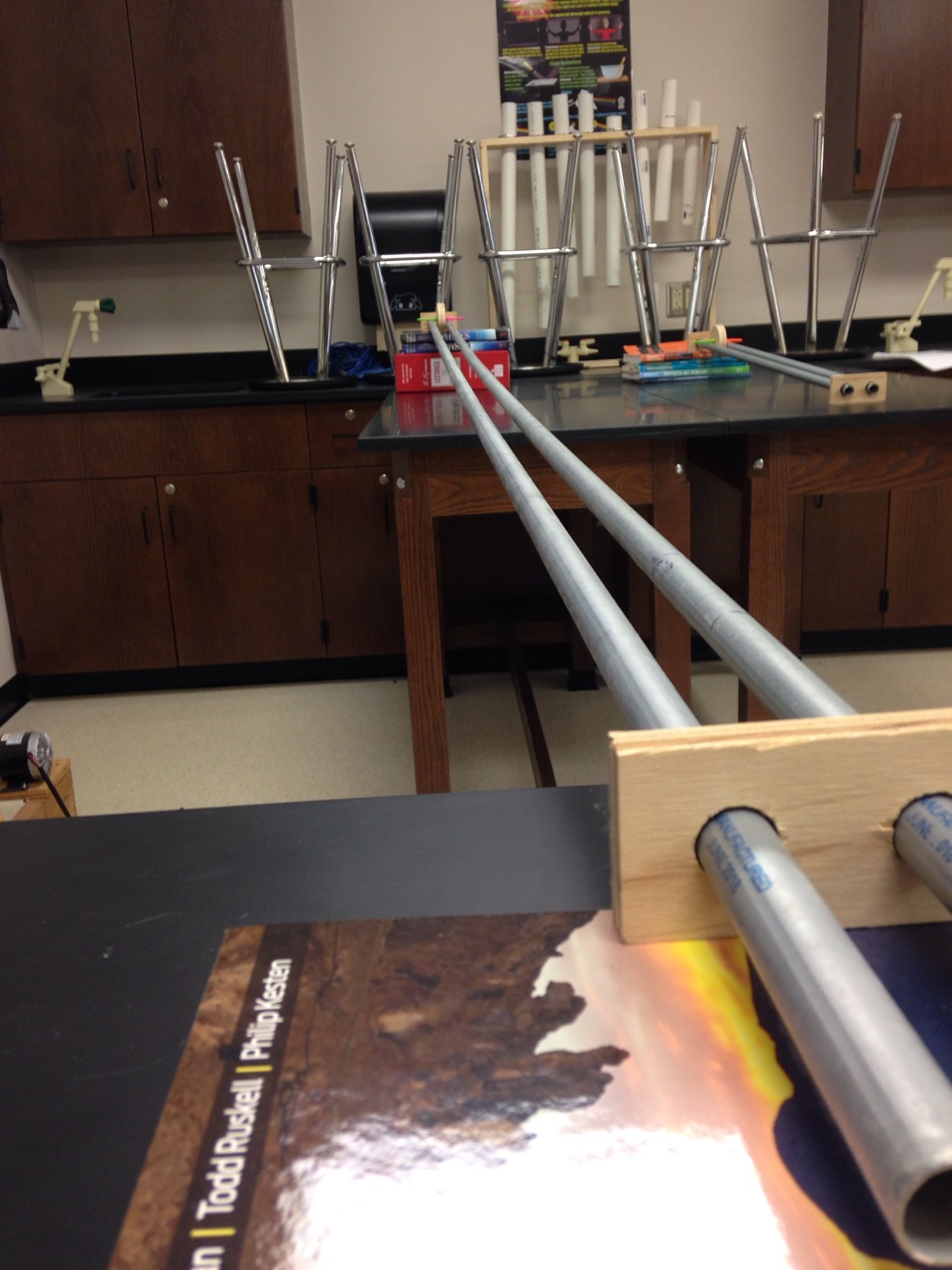
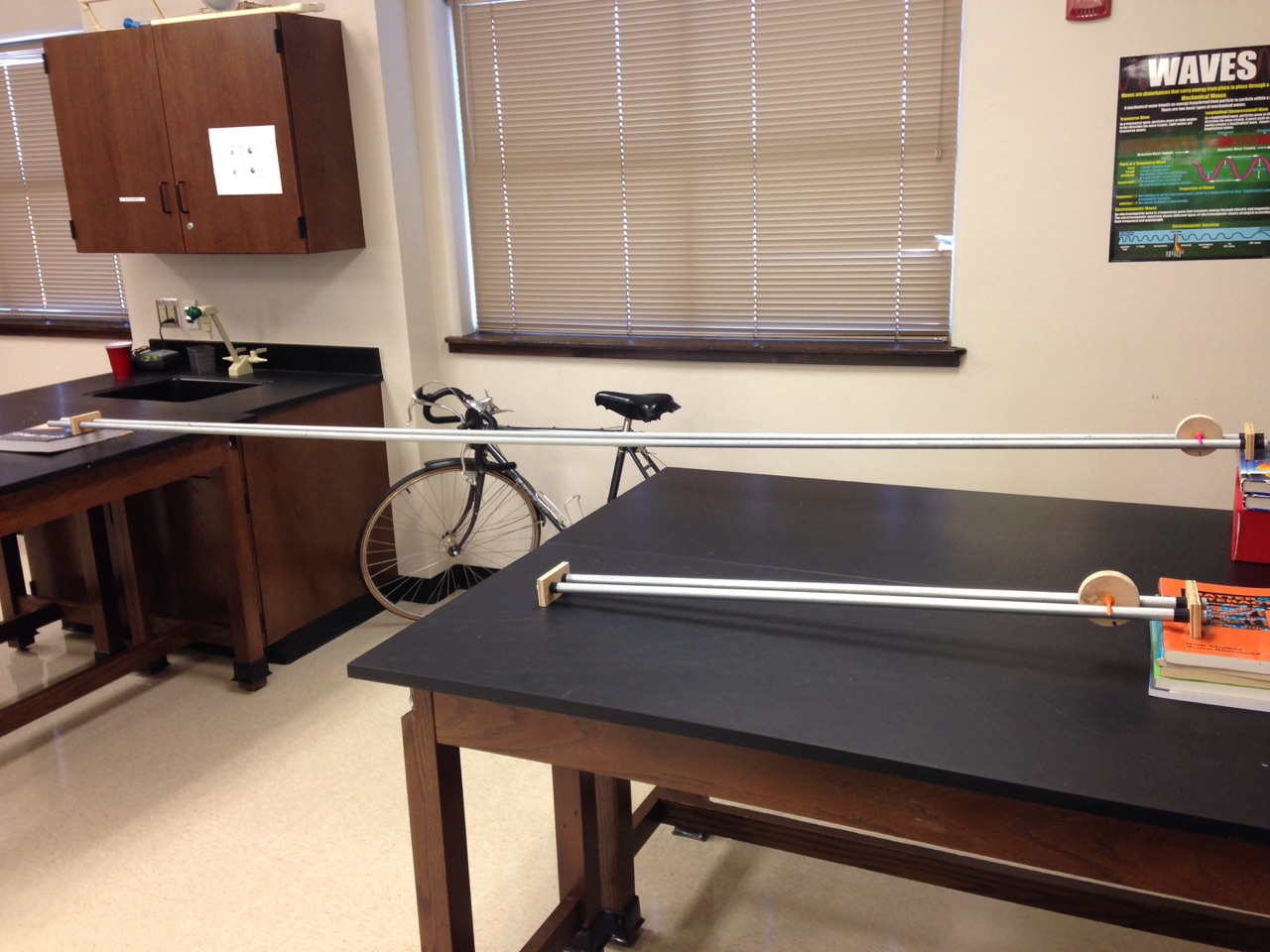
The first day of school will be a challenge lab in AP Physics C. This is based off a version of the constant acceleration paradigm lab with a “spinner” rolling down a ramp. In the challenge lab, students are challenged to predict the time it will take for the spinner to reach the bottom of a large (3 meter long) ramp. To do this, they may set-up and make measurements on smaller (1 meter long) ramps, but may not make any measurements of the motion of the spinner on the big ramp.

3D Printed Mounts for Energy Investigation Lab

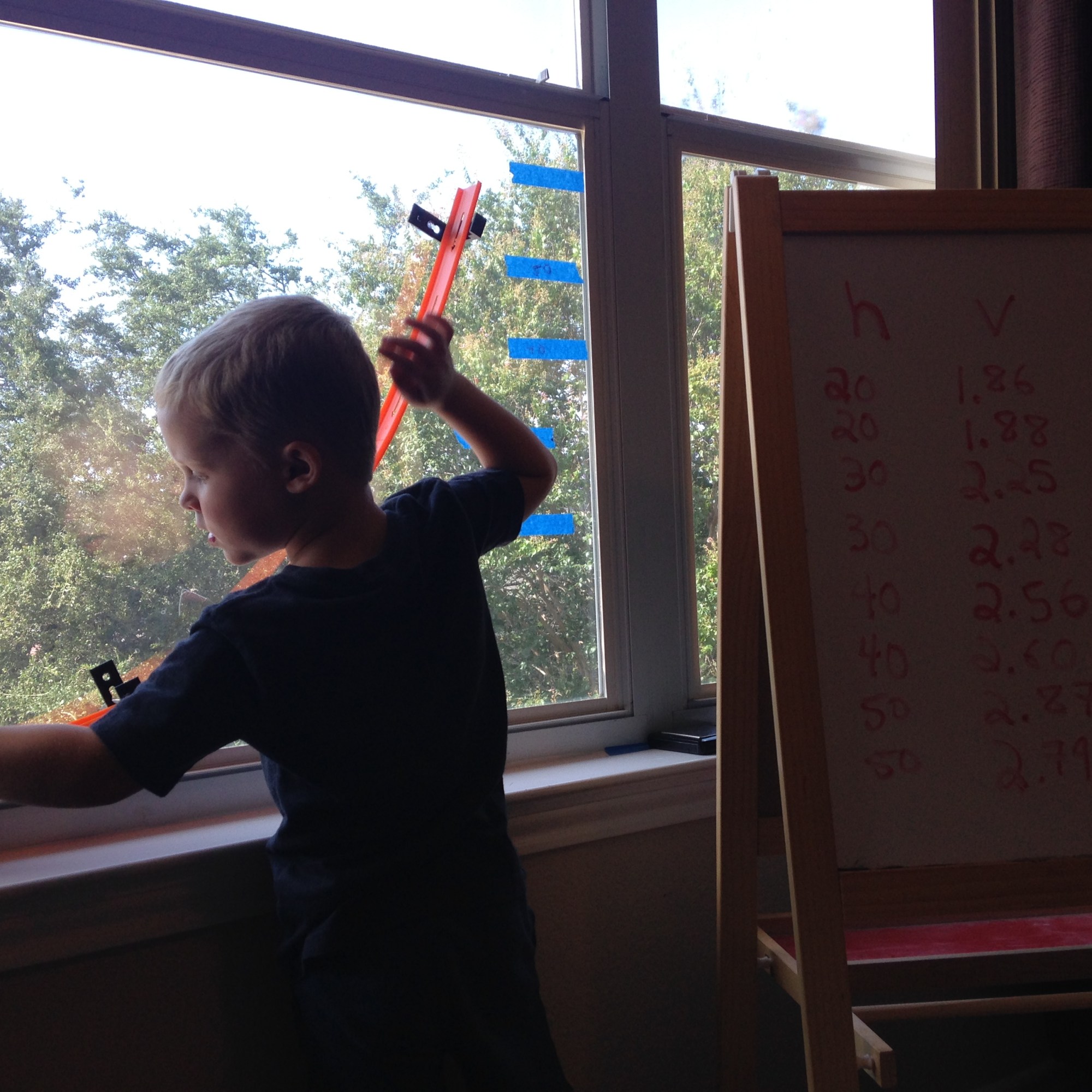
I was recently given a 3D printer (!!) and have been 3D printing stuff like crazy this summer. One of my projects is a suction-cup mount for Hot Wheel tracks. This idea is an offshoot of a Hot Wheel track that I mounted to the wall in my son’s room. I plan to use these this year in our first-year physics courses. In the lab, students will brainstorm a list of factors that might influence the speed that a hot-wheel car attains once it reaches the bottom of the hill (such as height, angle, mass, type of car). Then, students will choose one of these factors to study how it affects the speed. One of the anchors is designed to hold a BeeSpi photogate. The track can be quickly set-up and easily modified, the BeeSpi photogate is ideal to use with Hot Wheel cars.

If you are interested in 3D printing any of these yourself, I am happy to share the “.stl” files with you. Just shoot me an email or fill out the Contact form on the next page.

AP Physics Semester Project: Video Analysis

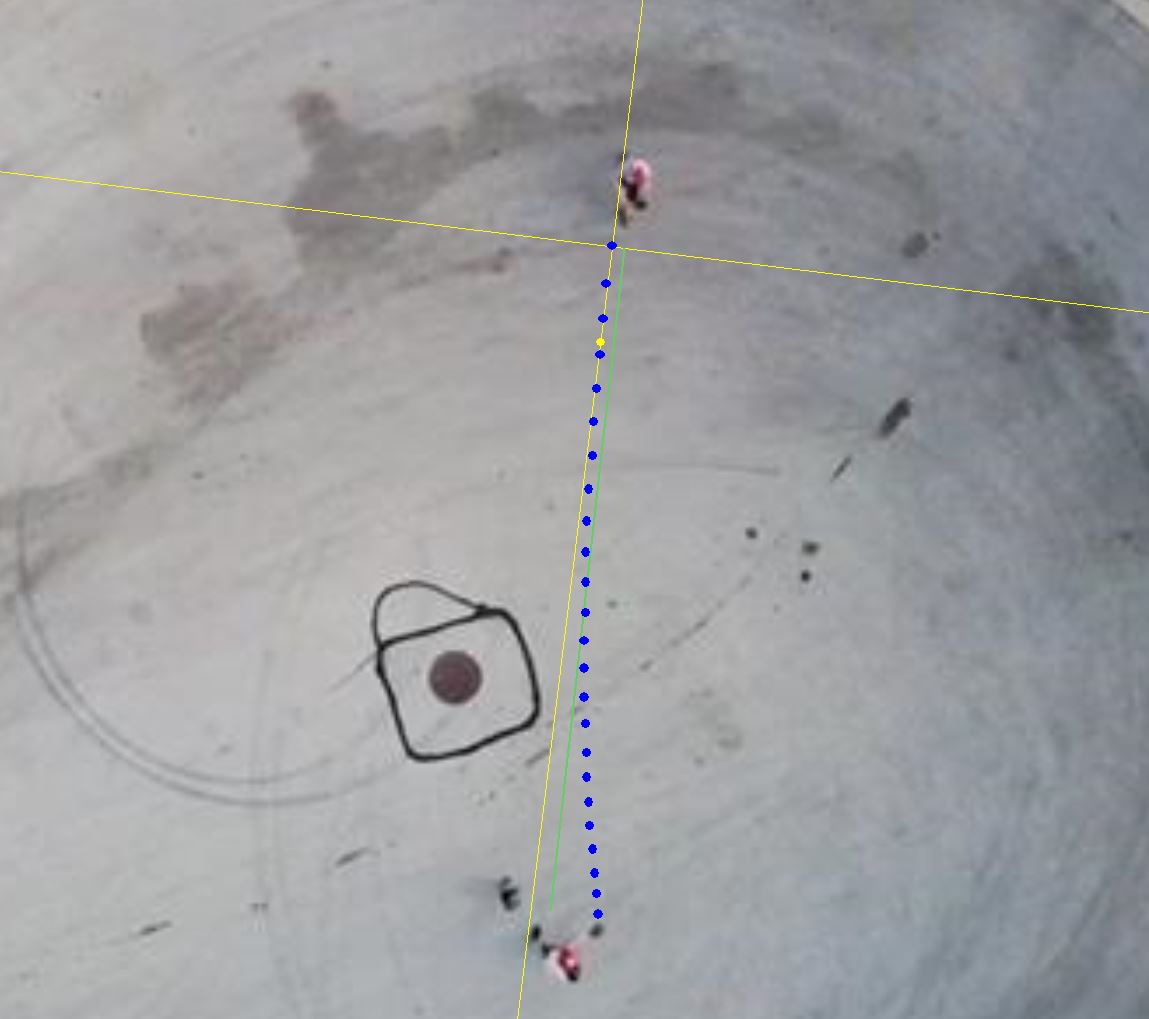
I’ve decided to have students in my AP Physics classes do an independent 1st semester project this year. Part of the impetus with this comes from the semester projects that we did in PreAP last year, which many students liked and I felt added value to the course. My goals for this project are for students to ask a question that can be answered by analyzing the video of something moving “in the real world” and then analyzing the video and applying physics concepts and relationships to find the answer. There are lots of types of questions that could be explored; I will be asking students to ask and answer some sort of a “how much?” question. I did the project this summer myself, using a drone to help me answer “How much force is generated to cause a Wiffle Ball to curve (when thrown by a regular dad like me)? How does this compare to the weight of the Wiffle ball?” Students will publish a description of their experiment with a poster, website, or YouTube video. I created a website to document mine. Check it out!

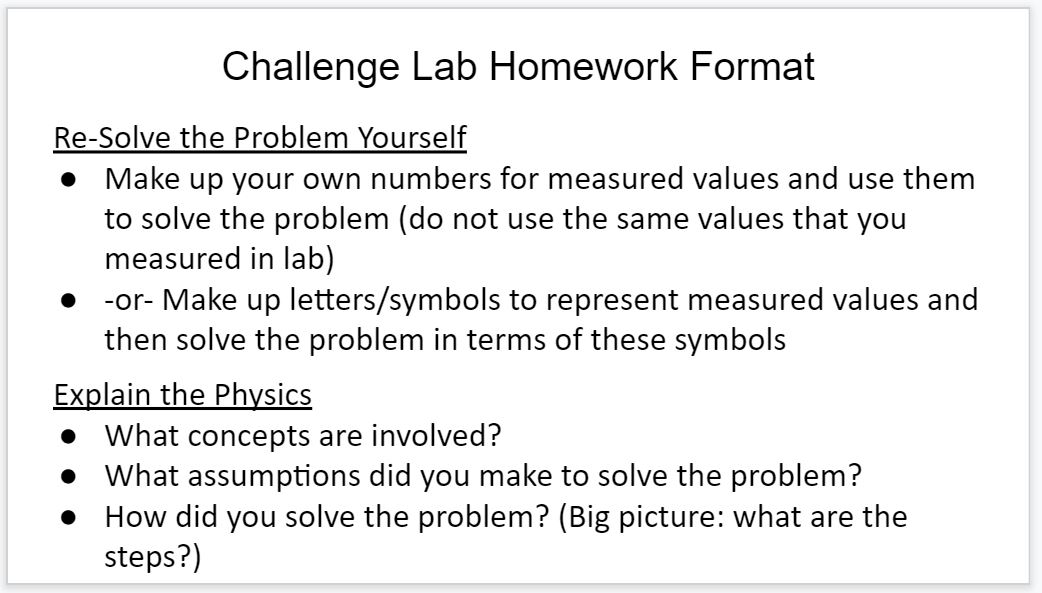
Challenge Lab Homework Format

In AP Physics, students complete about 15 challenge labs throughout the course of the year. (I do challenge labs in regular Physics too, but not as regularly.) In a challenge lab, students work together to solve a complex problem that involves making measurements and calculations to predict an outcome that can be measured. Modeling Physics teachers often call these Lab Practicums. In AP Physics, it is common for the FRQ scenarios to be very similar to some of the challenge labs we do. This year, I plan to change the way that I have students do homework after the challenge lab. In year’s past, I have given students a worksheet with a similar question to the challenge lab that they solved. This year, I plan to put more of the ownership on students to do this themselves. I expect this to help individual students “buy-in” more when solving the problem as a team, to make sure that each student is accountable for knowing how to solve the whole problem themselves. Here are the instructions for the homework

DC Circuits Challenge Lab

One piece of feedback that I received from students in AP Physics C is that they enjoyed and learned a lot from challenge labs and wish there were more in 2nd Semester (E&M). I built “circuit boards” this summer that I plan to use for two different challenge labs. One in our DC Circuits Unit and another in our RC Circuits Unit. I had used this idea for a challenge lab last year, but only made enough to have one board for the whole class. Next year, this will be a group project. These are pretty similar to “Snap Circuits” but can be made for about $5 each. The board includes 3 different types of resistors, wires, and two capacitors.

The DC Circuits Challenge lab will include setting up a circuit with all 6 resistors, and then calculating the equivalent resistance, total current produced by a 9V battery (or similar power supply voltage), and predicting the voltage across individual circuit elements. The second part of the challenge will include adding a wire to “bridge” two parallel branches and then re-calculating the voltage across each resistor and/or calculating the current that travels across the bridge.

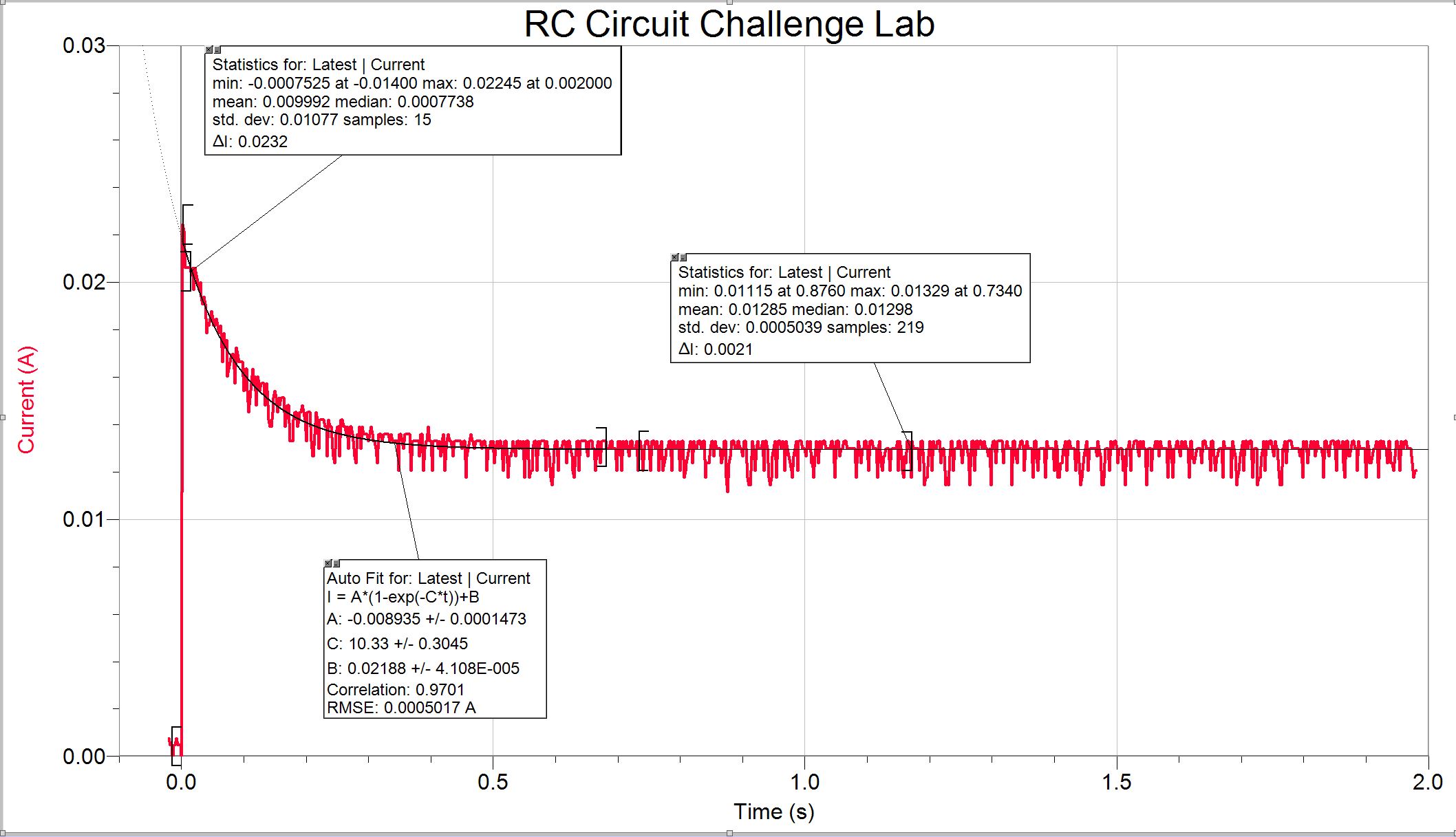
The RC Circuits Challenge Lab will include predicting the total current produced by a 9V battery (or a similar power supply voltage) both “right away” and “after a long time.” Students will use Vernier Current Probes to measure these current values.